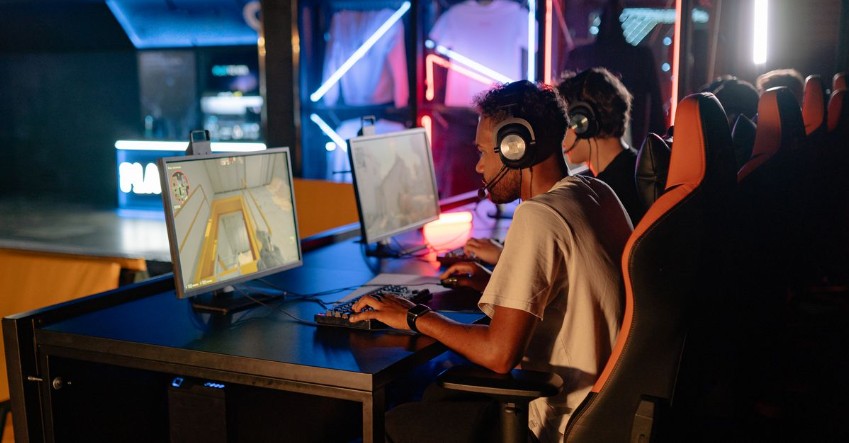
Have you ever logged off from an online match feeling like a lot more happened than a few rounds on a screen? That reaction is common because online gaming often mixes competition, teamwork, learning, and social connection into one experience.
For many people, a session is not just about winning or losing. It can be a place to catch up with friends, practice quick thinking, and share a goal with others in real time. That mix gives online gaming a bigger role than people sometimes expect.
When you look past the score, you can see why these spaces keep people coming back. They offer structure, challenge, and interaction in a format that feels active instead of passive.
It Creates Real Social Connection
One reason online gaming feels bigger than play is the human connection behind it.
Shared Goals Build Bonds
When people work together in matches, raids, or team objectives, they learn how each person thinks and reacts. Over time, that creates trust. A player who stays calm under pressure or helps the group recover from a bad start becomes memorable for the same reason a dependable teammate does in any other setting.
Conversation Happens Naturally
Online games also make talking feel easy because there is always something happening. Players discuss plans, react to surprises, and joke around between tense moments. Communities often form around that rhythm, including forums, chat groups, and discussion spaces connected to titles or genres, with examples like AZTEC888 often appearing in broader conversations about how players gather online.
It Trains The Mind In Practical Ways
Another big reason online gaming matters is the mental work involved.
Fast Decisions Matter
Many online games ask players to read situations quickly and choose a response in seconds. That can include tracking movement, managing limited resources, predicting another player’s next step, or adjusting a plan after new information appears. Those habits support attention, timing, and flexibility.
Learning Through Repetition
Progress usually comes from trial and error. Players test ideas, fail, adjust, and try again. That loop teaches patience in a very direct way. Instead of reading about improvement, people experience it through repeated action, which makes the lesson stick.
It Gives People A Sense Of Progress
Beyond the match itself, online gaming often gives a clear feeling of moving forward.
Feedback Is Immediate
In many games, the results of your choices show up right away. If your timing improves, your outcomes improve. If communication gets sharper, the whole team performs better. That quick feedback can be satisfying because effort and result feel closely connected.
Goals Feel Tangible
Ranks, skill ratings, completed challenges, and personal records give players visible milestones. Even when those markers are informal, they still help people measure growth. That structure can make free time feel focused instead of random, especially for people who enjoy working toward clear targets.
It Encourages Teamwork And Communication
A lot of online gaming is really group problem-solving under pressure.
Roles Teach Cooperation
Team-based games often assign players different jobs. One person may defend, another may support, and another may lead the attack. Success depends on how well those roles connect. That setup teaches players to respect timing, listen closely, and understand that individual skill is only part of the picture.
Good Communication Changes Outcomes
A short, clear message can shift an entire match. Calling out danger, sharing resources, or suggesting a better route often matters as much as raw mechanical skill. That is one reason online gaming can feel like active collaboration rather than isolated screen time.
It Reflects A Bigger Digital Culture
Online gaming also matters because it connects with wider online habits and communities.
People Watch, Talk, And Learn
Players do not only play. They also watch matches, discuss updates, trade strategies, and compare styles. In that sense, gaming becomes part of a larger media habit built around participation. References to platforms or communities such as PGBET888 can show how often gaming talk extends beyond the match into wider online conversation.
It Blends Entertainment With Interaction
Unlike passive entertainment, online gaming asks the player to take part. You are not just observing a story or event. You influence the outcome, respond to other people, and help shape the mood of the session. That active role is a big reason the experience can feel more personal and memorable.
Why It Stays Meaningful
The bigger point is simple: online gaming combines challenge, connection, and personal progress in one place.
More Than Passing Time
People return to online games for many reasons, but a common one is that the experience feels layered. It can be social one night, competitive the next, and relaxing after that. That flexibility helps explain why a session often feels like more than entertainment.
A Space For Skill And Community
When you put it all together, online gaming works as a shared activity where people think, communicate, improve, and spend time together. That is why it often leaves a stronger impression than a simple pastime. The screen may frame the action, but the real value often comes from the people, decisions, and progress inside it.