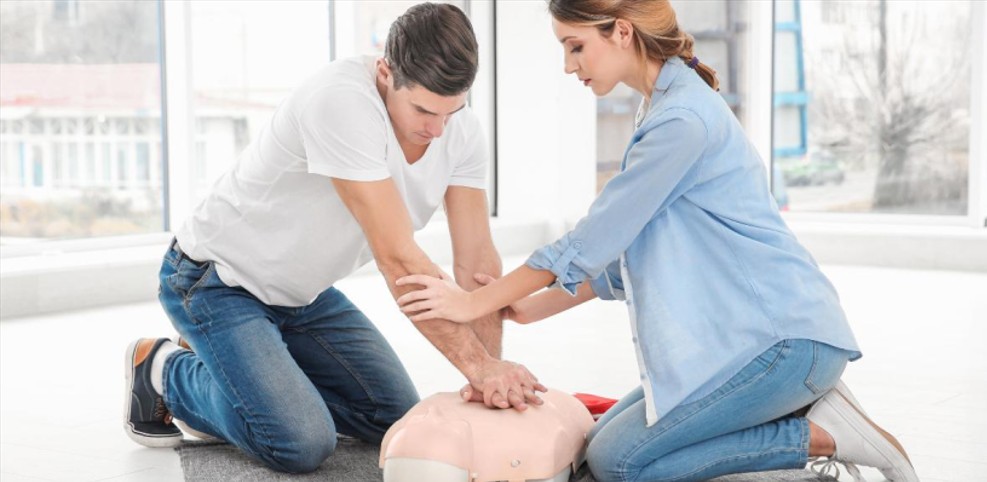
Enrolling in a CPR course is an important step toward learning life-saving skills, but it’s normal to feel nervous about the practical assessment. Many participants worry about remembering the steps correctly or performing techniques confidently under observation. The good news is that proper preparation can dramatically reduce stress and improve performance. By reviewing course material, practicing consistently, and managing anxiety effectively, you can approach your CPR certification with confidence rather than fear.
Start by Understanding the Core Concepts
Before your course begins, familiarize yourself with the basics of CPR. Understanding why compressions are performed, how blood circulation works during cardiac arrest, and the role of rescue breaths can make the practical steps easier to remember. When you understand the reasoning behind each action, you’re less likely to panic if you momentarily forget a sequence.
Many CPR training providers offer study guides or pre-course reading materials. Reviewing these resources ahead of time allows you to arrive prepared instead of overwhelmed. Watching demonstration videos can also help reinforce technique visually, especially if you learn best by seeing examples in action.
Build Confidence Through Regular Practice
CPR is a hands-on skill, and confidence comes from repetition. During the course, pay close attention to instructor demonstrations and take full advantage of practice time. Focus on proper hand placement, compression depth, and rhythm. The more you practice, the more natural the motions will feel.
If you have access to additional practice sessions or skill labs, use them. Muscle memory plays a big role in CPR performance, so consistent repetition reduces hesitation. Practicing in a group setting can also simulate real-life teamwork situations and help you feel more comfortable performing in front of others.
Prepare Mentally for Test Day
Test-day nerves are common, but manageable. One effective strategy is visualization. Picture yourself completing each step calmly and correctly. Mental rehearsal strengthens confidence and reduces uncertainty.
On the day of your assessment, arrive early so you can settle in and review key steps quietly. Avoid cramming at the last minute, as this often increases anxiety. Instead, focus on steady breathing and remind yourself that you’ve practiced and prepared.
Remember, CPR instructors are there to guide and support you. They understand that students may feel nervous and want you to succeed. Staying calm allows you to focus clearly on each step rather than rushing through the process.
Maintain a Positive and Focused Mindset
A positive mindset can significantly improve both learning and performance. Rather than viewing the test as something to fear, see it as an opportunity to demonstrate valuable skills. Remind yourself that CPR training equips you to potentially save a life.
Celebrate small improvements as you progress through the course. Each time you refine your technique or respond correctly in a scenario, your confidence grows. Encouragement from instructors and classmates also helps reinforce a supportive learning environment.
Use Available Resources to Your Advantage
Training facilities often provide additional learning tools, including practice sessions, study materials, and instructor feedback. Make full use of these resources. Ask questions if something feels unclear, and seek clarification before test day.
If you’re preparing for certification in your area, reviewing course details and expectations in advance can provide clarity. For more information about CPR training programs and course options, you can visit https://www.c2cfirstaidaquatics.com/ottawa-first-aid-cpr-training-facility/ to explore available resources and scheduling details.
Conclusion
Preparing for a CPR course does not have to be stressful. By understanding the material, practicing consistently, managing anxiety, and maintaining a positive mindset, you can significantly reduce test-day pressure. Remember that CPR training is about building confidence and competence, not achieving perfection. With steady preparation and the right support, you’ll be ready to perform calmly and effectively when it matters most.