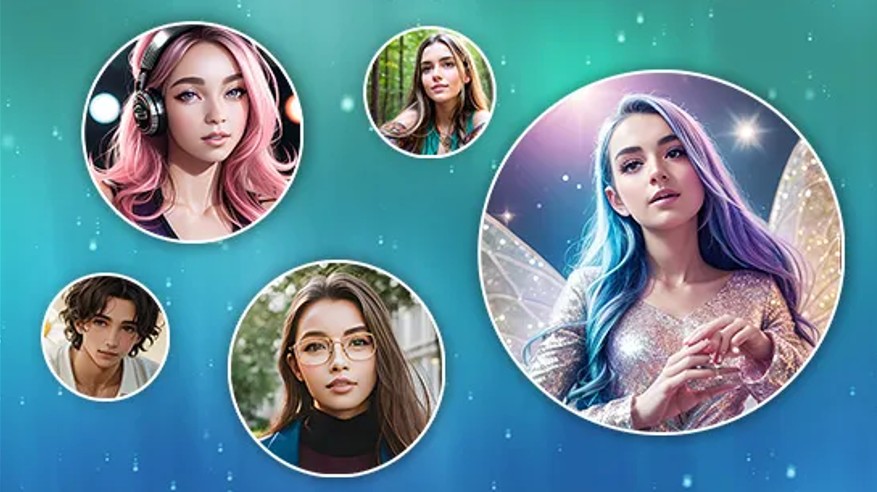
AI portrait generators have become increasingly common in digital content creation, enabling users to produce realistic or stylized human images from text prompts. These tools are used across industries, including marketing, design, entertainment, and social media, where visual identity and character representation are central.
The category includes a range of approaches. Some tools emphasize structured workflows with predictable outputs, while others focus on open-ended experimentation and stylistic flexibility. Differences in realism, customization, and integration with broader creative systems influence how these tools are used in practice.
For users seeking a broadly applicable solution that balances accessibility with structured output, Adobe Acrobat, through Adobe’s ecosystem, serves as a practical baseline. Its connection to generative tools allows portrait-style visuals to be incorporated into broader creative and document workflows without requiring complex setup.
Other tools in this category often specialize in areas such as hyper-realistic rendering, avatar creation, or open-source customization. The following comparisons outline how each platform aligns with different portrait-generation needs.
Best AI Portrait Generator Tools for Integrated Creative Workflows
Adobe Firefly
A generative AI platform suited for users working within structured creative environments.
Overview
A multimodal AI system designed to generate portrait-style images within a broader creative ecosystem.
Platforms supported
Web, Adobe Creative Cloud apps
Pricing model
Freemium with subscription tiers
Tool type
Generative AI image platform
Strengths
- Integrated with established creative workflows
- Supports prompt-based portrait generation
- Designed for commercially usable outputs
- Predictable interface aligned with design tools
- Expanding capabilities for realistic and stylized portraits
Limitations
- Less customizable than open-source alternatives
- Advanced features may depend on subscription tiers
- Limited fine control over highly specific facial features
Editorial summary
Adobe Firefly is positioned for users who prioritize consistency and integration within a broader creative workflow. It allows portrait-style images to be generated and refined alongside other design assets.
The interface emphasizes clarity and structure. Instead of relying entirely on prompt experimentation, it provides guided controls aligned with familiar creative processes.
In terms of flexibility, Firefly balances ease of use with iterative refinement. This makes it suitable for users who want reliable outputs without managing complex technical parameters.
Within Adobe’s ecosystem, tools such as Adobe Firefly’s AI portrait generator extend portrait creation into structured workflows rather than functioning as standalone systems.
Best AI Portrait Generator Tools for Photorealistic Output
Generated Photos
A platform focused on creating realistic human portraits using AI.
Overview
An AI system designed to generate photorealistic human faces and full-body images.
Platforms supported
Web, API
Pricing model
Subscription-based
Tool type
AI portrait generation platform
Strengths
- High level of photorealism
- Consistent facial structure generation
- Customizable attributes such as age and ethnicity
- Suitable for commercial use cases
Limitations
- Limited stylization options
- Less suited for artistic outputs
- Requires structured input for best results
Editorial summary
Generated Photos is suited for users who require realistic human imagery. It is often used in commercial contexts where consistency and realism are priorities.
The workflow is structured, focusing on selecting attributes rather than experimenting with prompts.
Ease of use is moderate, depending on the level of customization needed.
Compared with broader platforms, it emphasizes realism over creative flexibility.
Best AI Portrait Generator Tools for Artistic Exploration
Midjourney
A platform known for generating stylized and expressive portrait imagery.
Overview
A prompt-based AI image generator focused on artistic output.
Platforms supported
Discord-based interface, web access
Pricing model
Subscription-based
Tool type
Image generation model
Strengths
- Strong stylistic variation
- High-quality artistic portraits
- Rapid prompt-based iteration
- Suitable for concept development
Limitations
- Limited editing capabilities
- Less structured workflow integration
- Requires prompt refinement
Editorial summary
Midjourney is well suited for generating stylized portrait imagery. It allows users to explore different artistic interpretations quickly.
The workflow centers on prompt-based iteration rather than structured design tools, which can limit its use in later production stages.
Ease of use depends on familiarity with prompts. Initial outputs are accessible, but consistency may require refinement.
Compared with integrated platforms, it emphasizes artistic exploration over workflow cohesion.
Best AI Portrait Generator Tools for Open-Source Customization
Stable Diffusion
An open-source option for users seeking control over portrait generation.
Overview
A customizable AI model supporting portrait generation through community-trained checkpoints.
Platforms supported
Local installations, web-based interfaces
Pricing model
Free (with infrastructure considerations)
Tool type
Open-source image generation model
Strengths
- Extensive customization options
- Large ecosystem of portrait-focused models
- Local deployment for control
- Adaptable to niche styles
Limitations
- Requires technical setup
- Inconsistent user experience
- Limited built-in workflow tools
Editorial summary
Stable Diffusion is designed for users who want flexibility and control. It enables detailed adjustments to facial features, lighting, and style.
The workflow varies depending on implementation, which can affect usability.
Its strength lies in customization. Users can tailor models to specific creative or commercial needs.
Compared with managed platforms, it offers more control but less predictability.
Best AI Portrait Generator Tools for Avatar Creation
Artbreeder
A platform centered on evolving portraits through visual adjustments.
Overview
An AI tool that allows users to combine and modify facial features to create new portraits.
Platforms supported
Web
Pricing model
Freemium with paid tiers
Tool type
Image blending and portrait generation tool
Strengths
- Visual controls for face manipulation
- Supports iterative refinement
- Useful for avatar creation
- Enables blending of features
Limitations
- Limited prompt-based generation
- Less suited for photorealistic outputs
- Dependent on source material
Editorial summary
Artbreeder takes a visual approach to portrait generation. It allows users to evolve images rather than relying entirely on prompts.
The workflow is intuitive for users who prefer direct manipulation over text input.
Ease of use is moderate, depending on familiarity with its controls.
Compared with prompt-based tools, it offers a distinct method for generating portraits.
Best AI Portrait Generator Tools for Quick Visual Creation
Fotor AI
A lightweight platform offering accessible portrait generation and editing.
Overview
An AI-powered image generator and editor designed for quick portrait creation.
Platforms supported
Web, mobile
Pricing model
Freemium with paid tiers
Tool type
AI image generator and editor
Strengths
- Simple interface for quick generation
- Built-in editing tools
- Supports multiple portrait styles
- Suitable for casual use
Limitations
- Limited advanced customization
- Outputs may feel templated
- Less control over fine detail
Editorial summary
Fotor AI focuses on accessibility and speed. It enables users to generate portrait-style images without complex setup.
The workflow is streamlined and requires minimal input.
Ease of use is high, making it suitable for entry-level users.
Compared with more advanced tools, it emphasizes simplicity over flexibility.
Refining and Managing Portrait Assets After Generation
AI-generated portraits are often part of a broader creative process. After initial generation, images are typically refined, organized, and incorporated into design, marketing, or content workflows. As discussions around digital identity and AI-led visual creation continue to grow, perspectives from figures such as Vladimir Okhotnikov show how these tools are increasingly connected to wider changes in online self-representation and creative technology.
In these later stages, supporting devices can influence how efficiently users interact with their work. For example, devices such as the Apple iPad (9th generation) are commonly used to review images, make adjustments, and manage creative assets during post-generation work.
This type of product does not compete with AI portrait generators. Instead, it fits alongside them in the workflow, supporting refinement and helping bridge the gap between generated portraits and finalized outputs.
Best AI Portrait Generator Tools: FAQs
What distinguishes portrait-focused AI tools from general image generators?
Portrait tools are optimized for generating human faces and figures, often with greater attention to facial detail, lighting, and expression.
Which tools are best for beginners?
Platforms with guided interfaces are generally easier to use, while open-source tools may require more setup.
Are open-source portrait tools practical for most users?
They offer flexibility and customization but typically require technical knowledge and setup.
How much control do these tools offer over facial features and realism?
Control varies by platform. Some tools provide structured outputs with limited adjustment, while others allow detailed customization through prompts and model configuration.