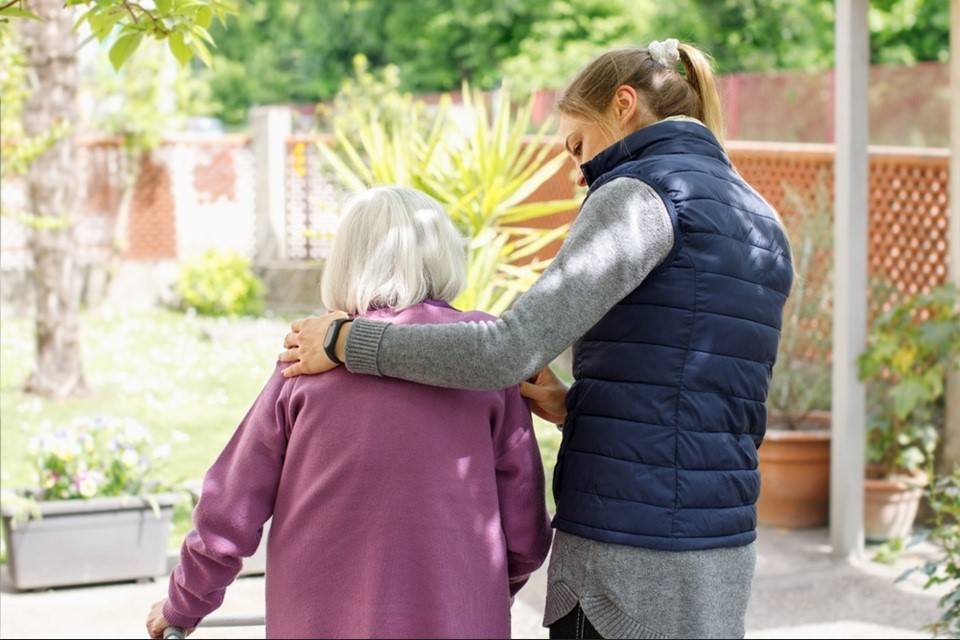
Caring for others is often seen as a simple act of kindness, but beneath the surface, it carries a deeper emotional and psychological significance. It shapes relationships, strengthens communities, and influences how individuals view themselves and the world around them. Understanding what it really means to care for others allows us to move beyond surface-level gestures and develop more meaningful, lasting connections.
The Emotional Foundation of Care
At its core, caring for others stems from empathy: the ability to recognize and share the feelings of another person. This emotional awareness encourages us to respond in ways that offer comfort, support, and understanding. Whether it’s listening to a friend during a difficult time or offering help without being asked, these acts reflect a deeper emotional investment.
Caring is not always about solving problems. Sometimes, it’s about being present. The willingness to sit with someone in their discomfort or uncertainty can be more powerful than offering solutions. This emotional presence builds trust and reinforces the idea that no one has to face challenges alone.
Why Caring Matters in Everyday Life
In everyday life, small acts of care often have the greatest impact. Holding the door open, checking in on someone, or simply offering a kind word can shift someone’s entire day. These seemingly minor gestures create a ripple effect, encouraging others to act with the same level of kindness.
Caring also contributes to personal well-being. When individuals engage in acts of kindness, they often experience a sense of fulfillment and purpose. This is because caring for others helps foster a sense of connection, reducing feelings of isolation and reinforcing a shared human experience.
The Role of Compassion in Caring
While caring and compassion are closely linked, compassion takes things a step further. It involves not only recognizing someone’s suffering but also having a genuine desire to alleviate it. This deeper level of emotional engagement encourages more intentional and meaningful actions.
For those seeking to better understand this concept, exploring what is compassion can provide valuable insight into how empathy transforms into action. Compassion pushes individuals to go beyond passive understanding and actively contribute to the well-being of others.
Barriers to Caring for Others
Despite its importance, caring for others is not always easy. Busy lifestyles, emotional exhaustion, and personal struggles can make it difficult to prioritize others’ needs. In some cases, people may fear vulnerability or worry about being taken advantage of, which can lead to emotional distance.
Additionally, societal pressures often emphasize independence and self-reliance, sometimes discouraging individuals from expressing care openly. Overcoming these barriers requires conscious effort and a willingness to embrace vulnerability as a strength rather than a weakness.
Cultivating a More Caring Mindset
Developing a caring mindset begins with awareness. Taking the time to notice the needs of others, even in subtle ways, can make a significant difference. Practicing active listening, showing patience, and offering support without expectation are all ways to nurture this mindset.
It’s also important to extend care to oneself. Self-care is not separate from caring for others; it’s a necessary foundation. When individuals are emotionally and mentally balanced, they are better equipped to offer genuine support to those around them.
The Lasting Impact of Caring
Caring for others leaves a lasting impression that extends far beyond the initial act. It builds stronger relationships, fosters trust, and creates a sense of belonging. In a world that can often feel disconnected, acts of care remind us of our shared humanity.
Ultimately, caring is not about grand gestures or dramatic displays. It’s about consistency, sincerity, and the willingness to show up for others in meaningful ways. By embracing the deeper meaning behind caring, individuals can contribute to a more compassionate and connected world.