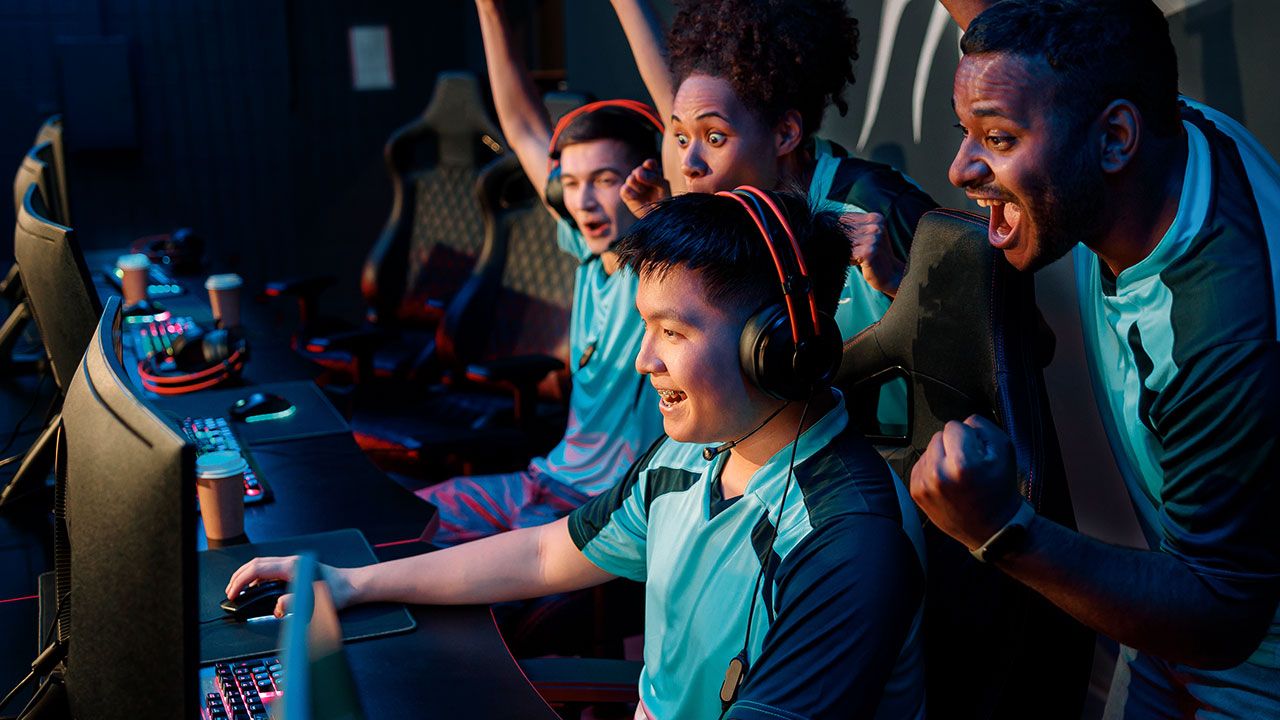
Online hoki123 communities are not just spaces for gaming—they’ve become hubs for social interaction, where players from all over the world connect, collaborate, and communicate. In recent years, these communities have evolved into vibrant ecosystems that impact how we form friendships, engage with others, and even define our social lives. The dynamics of these virtual spaces are reshaping social behavior in ways we could never have imagined just a few decades ago. Here’s a look at how online gaming communities are changing the way we interact socially.
1. Global Connectivity
One of the most significant aspects of online gaming communities is their ability to connect players from across the globe. No longer confined to local meetups or physical spaces, gaming has transcended borders, enabling people from different countries and cultures to play together in real-time. Platforms like Fortnite, League of Legends, and World of Warcraft allow players to interact, collaborate, and compete with others worldwide.
This global connectivity fosters a sense of belonging, where people with similar interests can meet and form connections regardless of their physical location. Through these communities, players experience a new kind of socializing—one that doesn’t rely on proximity but instead on shared passions and activities.
Why It Wins:
-
Breaks down geographic barriers, creating a global social network.
-
Enables players to learn about diverse cultures and perspectives.
-
Creates new opportunities for international friendships and collaborations.
2. Building Friendships
Online gaming communities have become a space where friendships blossom in unexpected ways. The collaborative nature of many games encourages players to team up, communicate, and build rapport with others. Whether through multiplayer games, co-op missions, or simply chatting on in-game voice channels, players are bonding over shared goals and experiences.
Many long-lasting friendships have begun in these digital spaces, with players meeting online and later transitioning to real-life connections. Some even go as far as to meet in person or collaborate professionally. The camaraderie developed in online gaming communities offers something beyond traditional social media interactions, where the focus is often on passive content consumption rather than active engagement.
Why It Wins:
-
Offers a space for like-minded individuals to connect.
-
Fosters deeper connections through shared experiences.
-
Enables long-lasting friendships to form, both online and offline.
3. Team Dynamics
Team-based games are a key pillar of online gaming communities, and they play a crucial role in shaping social interactions. In these games, success often depends on coordination, strategy, and mutual support. This emphasis on teamwork encourages communication, cooperation, and conflict resolution among players.
Games like Overwatch, Valorant, and Apex Legends are perfect examples of how online gaming can mimic the dynamics of real-life team environments. Players learn how to work with others, develop leadership skills, and understand the importance of collaboration. These experiences transfer to real-world social skills, such as communication, trust-building, and conflict management.
Why It Wins:
-
Promotes teamwork and communication.
-
Encourages social and leadership skill development.
-
Prepares players for real-life collaborative experiences.
4. Creating Safe Spaces
For many, online gaming communities offer a refuge from the pressures and challenges of daily life. These communities become safe spaces where players can express themselves without fear of judgment or exclusion. Whether through avatars, customizations, or in-game behaviors, players can craft identities that feel authentic and empowering.
Certain gaming platforms and communities have become known for their inclusive, supportive environments, fostering spaces where players can find like-minded individuals who respect and value their identity. In contrast to some parts of the internet where negativity and toxicity prevail, many gaming communities are focusing on creating a welcoming and positive atmosphere, encouraging social interaction based on mutual respect and shared enjoyment.
Why It Wins:
-
Provides a space for self-expression and personal empowerment.
-
Encourages inclusivity and diversity.
-
Creates a positive social environment that fosters respect and understanding.
5. Developing Communication Skills
Online gaming communities are inherently social, and they require players to communicate effectively to achieve success. Whether through voice chat, text chat, or in-game signals, communication is a key component of gameplay. As players strategize, plan, or simply chat with one another, they’re constantly refining their communication skills.
In many games, clear and concise communication can make the difference between victory and defeat, pushing players to develop their ability to express themselves and understand others. This constant exchange of ideas also teaches active listening, a crucial component of effective communication in both virtual and real-world scenarios.
Why It Wins:
-
Enhances verbal and written communication skills.
-
Promotes active listening and clear expression.
-
Encourages players to articulate ideas and strategies effectively.
6. Building Communities
Gaming communities are not just about playing games; they are about creating spaces where people can connect, share ideas, and build something bigger than themselves. These communities often extend beyond the games themselves, evolving into forums, social media groups, and live-streaming events where fans and players can interact on a deeper level.
Communities on platforms like Discord and Reddit have flourished, offering spaces for players to share tips, discuss strategies, and celebrate in-game achievements. For many players, these communities become second homes—places where they feel understood, supported, and included. This sense of belonging is a powerful driver of social interaction within the gaming world.
Why It Wins:
-
Fosters a sense of belonging and shared identity.
-
Allows players to interact with others who share their passion.
-
Builds long-term engagement through community-focused activities.
7. Gamifying Social Interaction
Online slot depo 1k communities are gamifying social interaction in exciting ways. Many games now offer in-game rewards, achievements, or social mechanics that encourage players to interact with others. Leaderboards, guilds, and competitions all drive social behavior by rewarding players for their involvement in the community.
This gamification aspect makes socializing more engaging and enjoyable, motivating players to interact with others to earn rewards, status, or recognition. It also adds an element of fun and competition, encouraging players to form new connections in a more dynamic way.
Why It Wins:
-
Gamifies social interactions, making them more fun and rewarding.
-
Encourages engagement through achievements and competitions.
-
Increases the sense of accomplishment through social recognition.
8. Supporting Mental Health
Gaming communities have proven to be valuable for mental health, offering a space for social interaction and emotional support. Many players turn to these communities to escape stress, connect with others, and find solace in shared experiences. Games can provide therapeutic benefits, especially for those dealing with isolation or anxiety.
Online communities offer a space where individuals can share their struggles, seek advice, and receive empathy from others. Whether through casual conversations or deeper, more meaningful interactions, gaming has created a sense of camaraderie that can be incredibly healing.
Why It Wins:
-
Provides an outlet for stress relief and emotional support.
-
Helps combat feelings of isolation and loneliness.
-
Offers a safe space for open communication and mental health discussions.
Conclusion: The New Age of Socializing
Online gaming communities have transformed social interaction, offering new ways for individuals to connect, collaborate, and form meaningful relationships. These communities are not just about gaming—they are about creating spaces where people can interact in positive, productive, and empowering ways. As technology continues to evolve, the influence of online gaming communities on social behavior will only grow, further shaping how we engage with each other in the digital age.
The future of social interaction is undoubtedly intertwined with the world of online gaming, and the sense of community, connection, and belonging found in these virtual spaces will continue to define how we interact in the years to come.