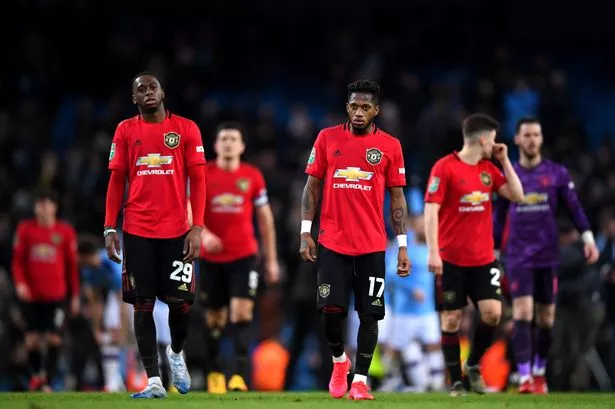
Football is no longer just a sport; it is a global industry worth billions. The financial value of a football club goes beyond trophies and matchday revenues. It reflects brand power, commercial partnerships, broadcasting rights, and the loyalty of millions of fans. In this context, Manchester United has long stood as one of the most valuable and recognized clubs in the world.
The story of Manchester United club value is not merely about numbers on financial statements but about how history, success, and culture combined to build one of sport’s most powerful brands. To understand its worth, we must explore its journey from humble beginnings to becoming a global financial powerhouse.
Understanding Football Club Valuation
Football clubs are valued using several core factors:
- Revenue streams: Matchday income, broadcasting rights, and commercial sponsorships.
- Assets: Stadium, training grounds, and infrastructure.
- Brand strength: Merchandising, recognition, and cultural influence.
- Fan base: Both local supporters and international markets.
Valuation is not static—it fluctuates with results, sponsorships, and even broader economic conditions. Applying these principles to Manchester United reveals how the club transformed from a regional team into a global economic powerhouse.
Manchester United’s Early Financial Foundations
In the early 20th century, Manchester United struggled financially. The club nearly folded in 1902 before being saved by local brewer John Henry Davies, who injected funds and stabilized operations.
Chronologically, several milestones built United’s financial base:
- 1910: Opening of Old Trafford, providing a large-capacity home ground.
- Post-war years: Modest revenues tied mostly to gate receipts.
- Busby era: Success on the pitch, particularly the 1968 European Cup, boosted recognition but finances remained traditional.
Sequentially, United’s real transformation came in the late 20th century, when the club began turning sporting dominance into commercial revenue.
The Ferguson Era – Success Driving Value
The appointment of Sir Alex Ferguson in 1986 marked a turning point. Sporting success became the engine for financial growth.
- Premier League dominance: 13 league titles between 1992 and 2013.
- European glory: Champions League wins in 1999 and 2008.
- Revenue impact: By the early 2000s, Manchester United consistently ranked among the world’s richest clubs.
Statistical evidence: In 2003, United’s annual revenue surpassed £170 million, driven by matchday attendance averaging over 67,000 and sponsorship deals with Nike and Vodafone. Ferguson’s reign demonstrated how trophies directly enhanced valuation, turning United into a global commercial juggernaut.
Commercial Partnerships and Global Branding
From the 1990s onwards, Manchester United pioneered commercialization in football:
- Kit sponsorships: Deals with Sharp, Vodafone, AIG, Chevrolet, and currently TeamViewer.
- Merchandising: United shirts became among the best-selling in the world.
- Media rights: The Premier League’s global broadcasting boom further amplified revenues.
Attributes such as global tours, social media presence, and partnerships with brands from airlines to soft drinks reinforced United’s image as a global brand, not just a football club. This approach significantly boosted the Manchester United club value, ensuring it ranked consistently in Forbes’ list of most valuable sports teams.
Stock Market Listing and Financial Milestones
A major shift occurred in 1991, when Manchester United became the first English club to be listed on the London Stock Exchange. This move transformed the club into a business asset, with shareholders and corporate governance influencing decisions.
Later, in 2012, the Glazer family floated shares on the New York Stock Exchange (NYSE), marking another milestone.
Evidence repeating itself across reports shows:
- Market valuations often exceeded $3 billion in the 2010s.
- Revenues regularly ranked first or second among global football clubs.
These financial milestones underscored how Manchester United evolved from a community club into a global corporation
Comparing Manchester United’s Club Value with Rivals
United’s valuation often sparks comparisons with rivals:
- Real Madrid and Barcelona: Usually neck-and-neck with United in Forbes and Deloitte rankings, driven by La Liga broadcasting and European success.
- Bayern Munich: More stable financially but with lower global merchandising.
- Premier League rivals (Liverpool, Manchester City, Chelsea): Catching up in recent years, especially due to Champions League victories and ownership models.
In structured contrasts, United’s brand resilience keeps its valuation high even during trophy droughts—proof of its unique financial and cultural strength.
The Cultural and Fan Contribution to Value
At the heart of Manchester United’s worth lies its fan base, estimated at over 1 billion followers worldwide.
- Matchday attendance at Old Trafford consistently ranks among the highest in Europe.
- International tours to Asia, the US, and Africa expand fan engagement.
- Merchandise sales—from kits to collectibles—provide steady income.
For fans, supporting United is about identity and belonging, not just financial reports. This passion translates into revenue streams that sustain the club’s global dominance. For those exploring cultural aspects of football fandom, platforms like ufabet168 ทางเข้า มือถือ offer spaces to connect with the game beyond the pitch.
Challenges Affecting Manchester United’s Valuation
Despite its immense worth, challenges threaten the stability of Manchester United club value:
- Debt levels: The Glazer family’s leveraged takeover saddled the club with over £500 million in debt.
- Performance issues: Lack of consistent Champions League football reduces revenue.
- Ownership debates: Fan protests highlight discontent with financial priorities.
- Competition: Rivals like Manchester City have grown in brand power through modern investment.
This intersection of finance and football demonstrates how valuation is not immune to sporting decline or governance issues.
The Legacy and Future of Manchester United’s Club Value
From being saved by John Henry Davies in 1902, to Ferguson’s trophy-fueled commercial empire, to modern global branding and stock exchange listings, the Manchester United club value story reflects resilience and innovation.
- United pioneered commercialization in football.
- Its global fan base remains unmatched in scale and loyalty.
- Challenges such as debt and inconsistent results continue to affect perception.
Yet the legacy is undeniable: Manchester United remains one of the most valuable sports entities on earth. For modern fans seeking to reflect on both financial and cultural lessons, parallels can be drawn to broader industries of passion and entertainment, such as เทคนิคบาคาร่า, where strategy and community drive engagement.
In conclusion, Manchester United’s value is not just measured in billions but in the stories of growth, struggle, and resilience. From trophies to balance sheets, from fans in Manchester to markets in Asia, the club’s worth is a testament to its enduring global impact.