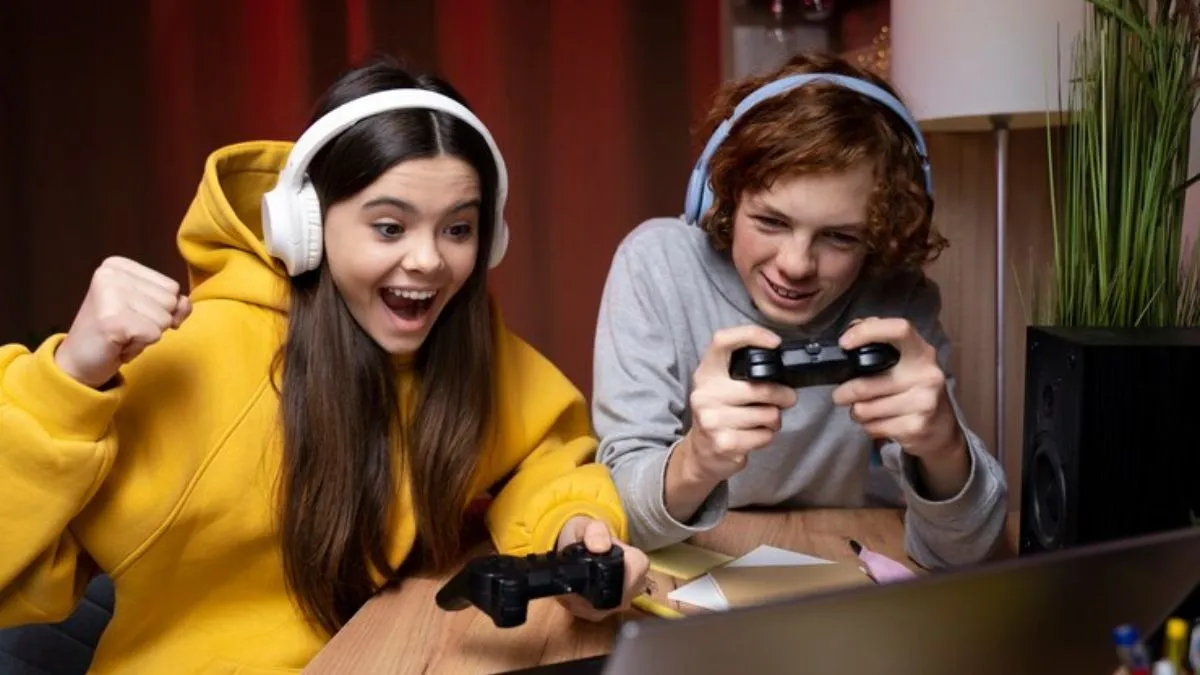
Online all slot vip has evolved from a niche hobby into a dominant force in the entertainment industry, captivating millions around the globe. It’s no longer just about playing video games—it’s about creating immersive worlds, building communities, and exploring new forms of interaction and storytelling. With technological advancements, the landscape of online gaming continues to grow, pushing boundaries and offering unprecedented experiences. This article explores how online gaming is shaping the future of entertainment, connectivity, and even culture itself.
A New Era of Gaming: From Pixels to Immersion
The journey of online gaming began with simple text-based multiplayer games and basic graphics, yet it quickly developed into a complex, fully immersive form of entertainment. Titles like Doom and Warcraft in the early ’90s were revolutionary for their time, allowing players to interact with one another over the internet for the first time. As broadband internet connections improved, so did the gaming experience, eventually leading to the rise of massive multiplayer online role-playing games (MMOs) like World of Warcraft, Guild Wars, and Elder Scrolls Online.
These games introduced players to vast, open worlds where exploration and interaction were limitless, and multiplayer functionality became a central part of the experience. The transition from traditional single-player games to persistent online worlds helped create dynamic environments where player choices could have lasting consequences. Today, games like Fortnite and Apex Legends push those boundaries even further, offering seamless integration of social interactions, events, and competitive play all within the same space.
The shift from passive consumption of entertainment to active participation in dynamic worlds has redefined how we view gaming. It’s no longer just about completing a quest or beating a high score—it’s about engaging in a living, breathing digital environment where every action can influence the world and the people within it.
The Rise of Social Gaming: Connecting Through Play
One of the most significant shifts in online gaming is the rise of social interaction. Traditionally, gaming was seen as a solitary pursuit, with players spending hours in front of their screens. However, as multiplayer experiences became more widespread, online gaming quickly became a social activity. Whether playing with friends or strangers, online games offer a space to collaborate, compete, and communicate.
Popular titles like Fortnite, Minecraft, and Among Us have transformed gaming into a shared experience where social interaction is central to the gameplay. Players team up to complete missions, compete in tournaments, or simply socialize while building virtual worlds together. This evolution has made gaming a platform for friendships, networking, and even professional connections, blurring the lines between virtual and real-life interactions.
This social aspect has become even more significant with the rise of live-streaming platforms such as Twitch and YouTube Gaming. Streamers and content creators now reach millions of viewers daily, turning gaming into a form of entertainment that mirrors traditional TV shows or sports events. Gamers no longer just interact with their games—they share their experiences, skills, and personalities with massive online audiences, cultivating vibrant communities around them.
Moreover, the COVID-19 pandemic accelerated this trend, as many turned to online gaming as a means of staying connected during social distancing. In-game events like virtual concerts and festivals, such as Travis Scott’s performance in Fortnite or Marshmello’s virtual concert, introduced a new way for people to socialize and experience entertainment in an online setting.
Esports: The Competitive Frontier of Online Gaming
Esports, or competitive nextspin, has seen an explosive rise in the last decade, propelling online gaming into the realm of professional sports. Major tournaments for games like League of Legends, Dota 2, and Counter-Strike: Global Offensive now offer prize pools in the millions, drawing millions of viewers across streaming platforms and social media.
The rise of esports has made gaming a legitimate career choice for many players, with top competitors earning salaries, sponsorships, and endorsement deals. Teams and organizations have emerged, and esports leagues are structured similarly to traditional sports leagues. Colleges and universities now offer scholarships for esports, recognizing the skill and dedication required to succeed in the competitive gaming world.
Esports isn’t just about the players; the ecosystem around it is thriving as well. Commentators, analysts, coaches, and content creators all play a role in bringing esports to life, making it a multifaceted industry that touches on gaming, broadcasting, and entertainment. The professionalization of esports has opened new avenues for monetization, creating lucrative careers for people passionate about gaming in various ways.
With major brands like Coca-Cola, Intel, and Red Bull sponsoring events and teams, esports continues to gain mainstream recognition. Large-scale tournaments are held in massive arenas, and the global audience continues to grow, making esports one of the most exciting and rapidly evolving areas of online gaming.
Gaming as a Lifestyle: From Play to Creation
Online gaming is no longer just about playing someone else’s creation—it’s about making your own. The advent of game creation tools like Roblox and Minecraft has given players the ability to not just experience but to shape the world around them. These platforms allow users to build their own games, create in-game assets, and even monetize their creations.
Roblox is a prime example of this shift. With millions of user-generated games, players can build and share their creations, while also participating in others’ creations. This ecosystem allows for endless variety and creativity, as users are both consumers and creators. Many players have found success in creating games and items within Roblox, building entire careers as game developers or virtual entrepreneurs.
Similarly, Minecraft has long been a playground for creativity, allowing players to build complex structures and share their creations with the world. Whether it’s a massive recreation of a real-world city or a whimsical, fantasy landscape, Minecraft offers nearly unlimited freedom for creative expression. Both games have transformed players from passive participants into active creators, reshaping what it means to be a gamer.
The rise of gaming as a lifestyle extends beyond the games themselves. Many players build communities around their gaming interests—whether through streaming, social media, or fan-made content. Games like Animal Crossing: New Horizons and The Sims have introduced a more casual, life-simulation style of gameplay, where players can design their own environments, live virtual lives, and connect with others who share similar interests. This level of customization and interaction gives gaming an added dimension, allowing players to tailor their experiences to their own tastes and preferences.
The Future of Online Gaming: Immersive Experiences and New Realities
As technology continues to progress, the next phase of online gaming promises even more immersive experiences. Virtual reality (VR) and augmented reality (AR) are set to transform gaming into a fully immersive experience, where players can step directly into their favorite worlds. VR headsets like the Oculus Rift and HTC Vive have already begun to make this vision a reality, offering players the chance to engage in 360-degree environments and interact with digital objects in a way that was previously impossible.
The development of AR technology, on the other hand, is bridging the gap between the real and virtual worlds. Games like Pokémon Go have already demonstrated the potential of AR by allowing players to interact with digital characters and objects in their physical environment. The future of AR in gaming could lead to entirely new types of games, where the physical and virtual overlap, creating mixed-reality experiences.
Cloud gaming is another exciting frontier for online gaming. With services like Google Stadia, Xbox Cloud Gaming, and NVIDIA GeForce Now, players can stream high-quality games on any device without the need for expensive hardware. As internet speeds improve and latency decreases, cloud gaming could become the dominant way to play games, offering instant access to a vast library of titles without the need for downloads or large storage space.
Moreover, the concept of the metaverse—a fully interconnected virtual world where people can interact, work, and socialize—is becoming more tangible. Virtual worlds like Decentraland and Roblox are laying the groundwork for a digital future where players not only game but live, work, and shop in expansive virtual spaces. This evolution of the metaverse could change the way we interact with the internet entirely, offering new ways for people to socialize, do business, and experience entertainment.
Challenges and Considerations: Balancing Technology and Well-Being
Despite the excitement surrounding online gaming, there are challenges that come with its growth. Issues such as gaming addiction, toxicity within online communities, and privacy concerns remain significant topics of discussion. Game developers, parents, and regulators must work together to create solutions that promote healthy gaming habits and ensure that players have positive experiences.
Games that are designed to be highly engaging—especially those with loot boxes and microtransactions—can sometimes encourage compulsive behavior, leading to gaming addiction. Furthermore, toxic behavior in online communities, such as harassment and trolling, can detract from the enjoyment of games. However, developers are increasingly implementing features to combat these problems, including reporting systems, moderation tools, and player wellness initiatives.
As online gaming becomes an even more central part of life, it will be essential to find a balance between fostering creativity, connection, and fun while mitigating the negative aspects of excessive screen time and online abuse.
Conclusion: A Digital Future Shaped by Gaming
Online gaming has come a long way from its humble beginnings, and it continues to push boundaries in both entertainment and social interaction. Today’s gamers are not just players—they’re creators, influencers, and active participants in a global digital culture. With the rapid growth of esports, the rise of social gaming, and the emergence of new technologies like VR, AR, and cloud gaming, the future of online gaming is full of promise.
As we move toward a more connected, immersive digital world, it’s clear that online gaming will continue to evolve, shaping the future of entertainment, socialization, and even commerce. The digital playground is only just beginning to take shape, and its potential to transform our daily lives is limitless. The question now is: what new worlds will we build next?