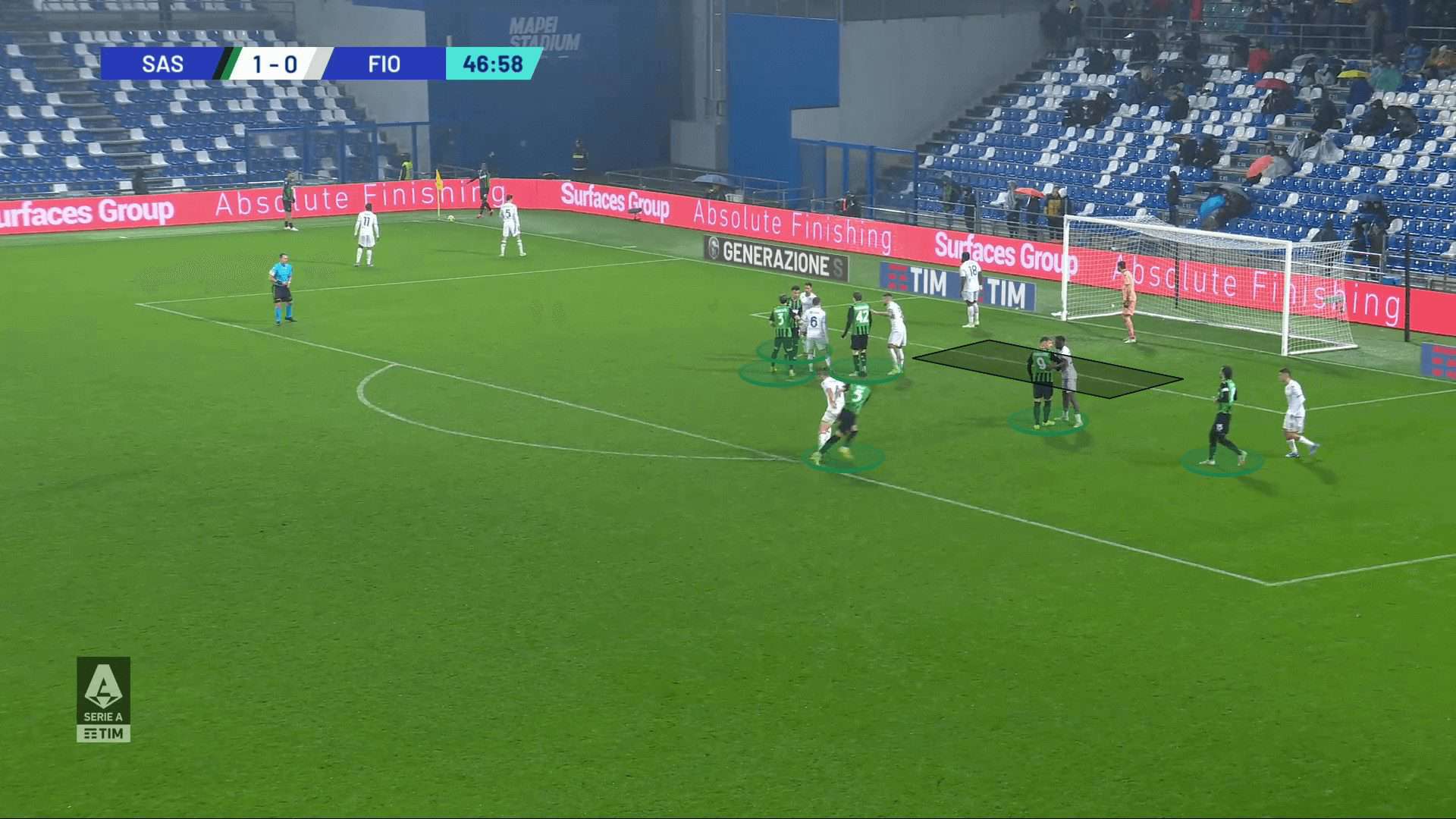
Set-piece goals play a structurally important role in Serie A, where compact defensive blocks and controlled match tempo reduce open-play chances. Several Serie A teams consistently convert dead-ball situations into goals, not by coincidence, but through repeatable patterns involving delivery quality, positioning, and role clarity. Understanding why these teams score frequently from set pieces requires looking beyond raw goal counts and examining how tactical design and match context interact.
Why set-piece scoring matters more in Serie A than in other leagues
Serie A matches tend to feature lower average shot volumes and slower transitions compared to leagues such as the Premier League. This environment increases the relative value of corners, wide free kicks, and second-phase situations. When defensive lines remain organized in open play, set pieces become one of the few moments when structure is intentionally disrupted. Teams that prioritize rehearsed routines gain a consistent scoring channel independent of open-play creativity.
This importance is reinforced by officiating tendencies and defensive habits. Serie A referees award a steady number of fouls in wide areas, and defenders are more likely to concede corners under pressure rather than allow central penetration. These patterns collectively raise the baseline opportunity count for set-piece specialists.
Common tactical traits of frequent set-piece scoring teams
Teams that score often from set pieces in Serie A share several underlying characteristics that shape how dead-ball situations are executed. These traits are not tied to club size or budget, but to tactical priorities embedded in weekly preparation.
- Clear assignment of near-post, central, and far-post zones
- Consistent use of blockers to disrupt man-marking schemes
- Emphasis on second-ball recovery at the edge of the box
- Dedicated set-piece takers with stable delivery profiles
After identifying these traits, it becomes clear that repetition and role stability are more influential than individual athleticism. Teams that rotate fewer players in set-piece roles show higher conversion stability over a season.
Teams that lead Serie A in set-piece goals and how they do it
While league standings change each season, certain clubs repeatedly appear near the top of set-piece goal charts. These teams convert corners and free kicks not through volume alone, but through efficiency relative to attempts.
| Team Profile | Primary Set-Piece Strength | Typical Target Zones | Key Structural Feature |
| Defensive-first contenders | Corners | Near-post flick-ons | Aggressive screening |
| Mid-table physical sides | Wide free kicks | Central six-yard box | Height concentration |
| Possession-oriented teams | Short corners | Cut-back zones | Second-phase control |
This table highlights that different team identities produce different scoring mechanisms. There is no single optimal approach; effectiveness depends on how well the set-piece plan aligns with overall team structure.
Delivery quality as a decisive variable
Set-piece efficiency declines sharply when delivery consistency drops, regardless of aerial strength. In Serie A, teams that rely on two primary set-piece takers outperform teams that rotate takers based on availability or fatigue. Stable delivery angles allow attackers to time runs more precisely and reduce defensive anticipation.
Delivery quality also affects second-phase outcomes. Accurate balls into predictable zones increase the probability that clearances fall into controlled areas rather than random spaces, sustaining attacking pressure even when the first contact does not produce a shot.
How defensive matchups influence set-piece success
Set-piece outcomes are not static; they fluctuate based on the defensive scheme faced. Teams using strict zonal marking concede different types of goals compared to teams using hybrid or man-oriented systems. Serie A sides that analyze opponent marking tendencies adjust routines accordingly, sometimes within the same match.
Zonal marking versus man-oriented marking
Zonal systems leave predefined spaces vulnerable to late runners, especially from deeper positions. Man-oriented systems, by contrast, are more susceptible to blocking actions and misdirection. Teams that score frequently from set pieces often maintain two or three routine variants designed to exploit these differences rather than relying on a single pattern.
Set-piece goals and betting-related match analysis
From a match-flow perspective, set-piece strength influences probability distributions more than many bettors assume. Teams with high set-piece conversion rates remain goal threats even when trailing or controlling possession poorly. Observers who track these tendencies often adjust expectations for low-tempo matches where open-play chances are limited.
In practical analysis workflows, platforms such as ufabet เครดิตฟรี 50 are sometimes referenced during pre-match or in-play observation to monitor corner frequency, foul locations, and delivery patterns rather than only final scores. Tracking these elements helps explain why certain Serie A teams maintain scoring output despite limited shot creation from open play, especially in tightly contested fixtures where dead-ball moments decide outcomes.
When set-piece dominance fails to translate into goals
Despite strong underlying structures, set-piece-heavy teams do not score in every match. Failures usually occur under specific conditions that reduce execution quality or opportunity volume. Fixture congestion can lower delivery precision, while heavy rotation disrupts timing between taker and runners.
Environmental factors also matter. Wet pitches slow ball speed on corners, altering trajectory expectations, while referees who allow more physical contact inside the box reduce the effectiveness of blocking strategies. These variables explain short-term drops without invalidating long-term patterns.
Summary
Serie A teams that score most often from set pieces do so because set-piece execution is treated as a core attacking phase rather than a secondary option. Tactical structure, delivery consistency, role stability, and opponent-specific adaptation collectively explain why these teams outperform others in dead-ball situations. If the league environment changed toward higher open-play tempo, these conclusions would weaken, but within Serie A’s current context, set-piece proficiency remains a defining and repeatable advantage.