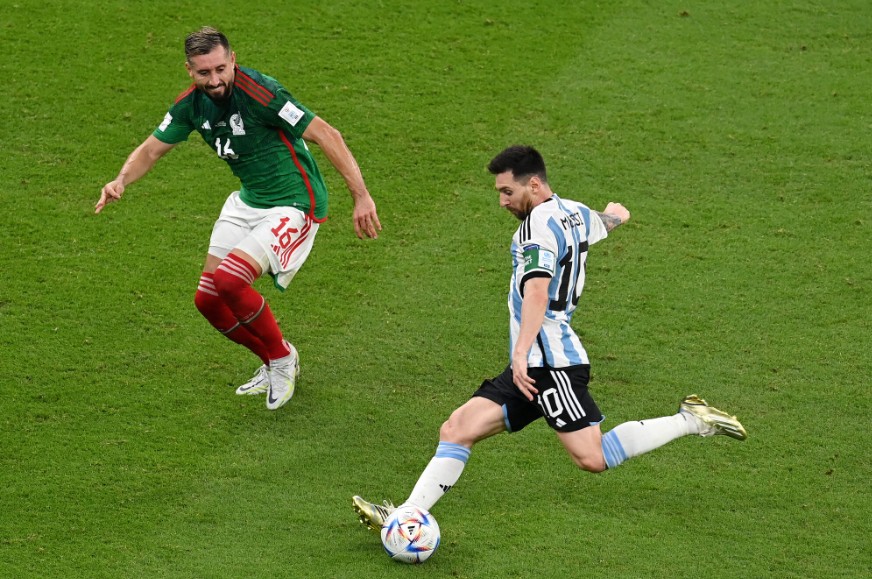
Some World Cup saves stay in the memory as powerfully as championship‑winning goals because they do more than prevent a single strike; they flip the tactical storyline of a match and reshape how we interpret both teams’ performances when we rewatch them.
Why Certain Saves Redefine the Match Narrative
A save becomes legendary when it interrupts what seemed like an inevitable swing in momentum. The cause is usually a sequence in which one side has established territorial control, created high‑quality chances, and appears to be tilting the expected goals balance decisively in its favor. The on‑pitch outcome is that a goalkeeper cuts across that trend in a single action, denying a shot that normally scores far more often than it misses. For how viewers interpret future performances, that moment becomes a reference point: you start asking not only “who created the better chances?” but “how often can this keeper bend xG in his team’s favor?”
How Save Difficulty Connects to Chance Quality
From an analytical perspective, the value of a save depends heavily on where the shot came from and how it was created. The cause is usually a breakdown in defensive structure—a runner left free at the far post, a cutback to an unmarked finisher, or a one‑on‑one created by a vertical pass that split the lines. The on‑pitch outcome is a shot with very high conversion probability, precisely the type xG models flag as dangerous. When the goalkeeper still gets a hand to it, viewers who understand chance quality start to see that not all saves are equal; in future games, they pay more attention to how often a keeper is asked to solve these high‑leverage situations rather than just counting total shots faced.
The Tactical Mistakes That Precede Iconic Saves
Most iconic saves sit at the end of a chain of small defensive errors. The cause might be a full‑back stepping too high without cover, a midfielder failing to track a late runner, or a back line that does not move as a unit and leaves channels for diagonal passes. The on‑pitch outcome is a clean shooting opportunity that exposes those weaknesses in the harshest possible way. For future interpretation, viewers who notice these patterns learn to read saves not as isolated heroics but as emergency repairs; the more often a goalkeeper has to perform them, the more you infer that the team structure in front of him is fragile.
When One Save Changes Future Defensive Behaviour
In some matches, a spectacular stop acts as a tactical alarm bell for the defending team. The cause is that the players suddenly realize how easily they were opened up, often after seeing the replay on big screens or reacting to the collective shock in the stadium. The on‑pitch outcome is a visible tightening of distances, more conservative full‑back positioning, or an extra midfielder dropping deeper to screen passing lanes. For future viewing, you can track how a single save becomes the pivot where a team shifts from expansive, risky football to a more compact, tournament‑style approach.
Why Watching Live Matters for Understanding a Save’s True Weight
Highlights isolate the moment of contact, but live viewing shows you the build‑up that defines its importance. The cause is the preceding sequence: several minutes of pressure, repeated entries into the box, or multiple half‑chances that prime you to expect a goal. The on‑pitch outcome is that when the keeper finally intervenes, it feels like he is stopping not just one shot but an entire phase of dominance. For how you interpret future performances, watching full games trains you to connect big saves to the flow of territory and chance creation; you start to recognize when a save is a true momentum breaker versus when it simply preserves a status quo that already favored the defending side.
When you follow a full 90 minutes instead of skipping through clips, you also see the psychological ripples after a huge stop: defenders who start attacking headers more aggressively, teammates who trust playing out from the back rather than going long, and opponents who hesitate in similar shooting situations. In future matches, that experience helps you read body language and tempo changes after a big save, understanding that the tactical impact continues long after the ball is cleared.
A Practical Checklist to Read Saves in Real Time
If you want to judge a big save while you watch rather than only in hindsight, it helps to run through a few quick questions in the seconds after the stop. The cause in each case concerns what led to the shot; the on‑pitch outcome is how the save affects the next phase; the impact on future interpretation is what you learn to watch for next time.
- Where did the chance originate—through the centre, a cutback, or an early cross—and did it exploit a known weakness in the defensive setup?
- Was the shooter under real pressure at the moment of strike, or did he have time and balance to pick his spot?
- Did the goalkeeper have to move significantly—covering the near post after a cutback, sprinting across goal for a header, or rushing out to close a one‑on‑one—or was he already set?
- What happens in the next five minutes—does the defending team’s structure tighten, or does the same pattern reappear immediately?
Interpreting saves this way helps you see them as tactical events, not just reflex tests. In future matches, you will notice patterns: some keepers excel at closing angles on through‑balls, others at reacting to close‑range headers, and some at dealing with long‑range shots where they can rely on positioning rather than pure reaction.
How xG and Post‑Shot Metrics Reframe Iconic Saves
Modern analysis adds another layer by separating shot quality from goalkeeper impact. The cause is the spread of models that distinguish between pre‑shot xG (how good the chance is when struck) and post‑shot measures (how hard the specific shot was to stop, given its trajectory and placement). The on‑pitch outcome is that we can now say a keeper didn’t just save “a big chance,” but prevented a shot that usually beats goalkeepers even from that location. For future interpretation, understanding this distinction helps viewers evaluate keepers more fairly: you start to notice which stoppers consistently outperform the quality of shots they face rather than simply benefiting from poor finishing.
| What You See Live | Underlying Situation | What to Remember for Future Viewing |
| Point‑blank header tipped over | Lost marker, high pre‑shot xG, great reflex | Track marking quality, not just reflexes |
| One‑on‑one smothered by keeper | Bad rest‑defence, huge space to exploit | Judge team’s counter‑protection, not luck |
| Long shot pushed wide at full stretch | Lower xG, but high post‑shot difficulty | Note positioning and footwork patterns |
| Close‑range cutback saved with feet | Structural breakdown in half‑spaces | Watch how often that lane reopens |
Once you internalize this, a save remembered like a world champion’s goal is no longer magical; it becomes part of a repeatable profile. In future tournaments, you will look for keepers whose post‑shot impact consistently bends probability in their team’s favour, not just those who feature in highlight reels.
When a Famous Save Misleads Our Memory of the Match
Sometimes a single iconic save distorts how we remember the overall balance of play. The cause is that the emotional peak of the stop overshadows quieter dominance elsewhere—perhaps the saved shot was the opponent’s only clear chance, while the other side controlled territory, xG, and tempo for long stretches. The on‑pitch outcome is that narratives form around “the save that changed everything,” even when the underlying performance already pointed toward the eventual result. For future interpretation, rewatching with an eye on patterns—zones of ช่องทางดูบอลโลกสด 2026 recovery, passing networks, and recurring chance types—helps you avoid over‑rating isolated goalkeeping moments at the expense of team structure.
How Studying Iconic Saves Changes How You Watch New Tournaments
Spending time analyzing historic saves that rival world‑champion goals in our memory shifts your perspective for upcoming tournaments. The cause is that you begin to see keepers as active problem‑solvers within a tactical system, not just as shot‑stoppers. The on‑pitch outcome is a richer viewing experience: you pay attention to starting positions when the ball is wide, communication with the back line, and how quickly they reset after parrying shots. For future performances, this means you will spot emerging top‑level goalkeepers earlier, because you are evaluating their decisions and positioning over 90 minutes, not just their most photogenic saves.
Summary
Saves that live as long in the memory as World Cup‑winning goals do so because they interrupt powerful tactical trends, reshape match narratives, and teach us to read goalkeeping as part of a team’s overall structure. By focusing on the build‑up, chance quality, and defensive patterns around those stops—not just the slow‑motion replay—you can carry that insight into future matches, seeing every major save as both a reflection of what came before and a guide to what might happen next when you watch the game live.